
Sustainable Home Décor Trends for 2026: Style That Loves the Planet
*Affiliate Links
Sustainability has become far more than a passing trend, it’s now shaping the way we live, shop, and decorate our homes. People are seeking to create spaces that feel grounded, calming and connected to nature, and the décor world is responding with materials, craftsmanship and design choices with sustainability in mind. As we step into 2026, eco-friendly interiors are seemingly becoming richer, more tactile and more creative than ever.
Biophilic Design: Bringing Nature Back Indoors
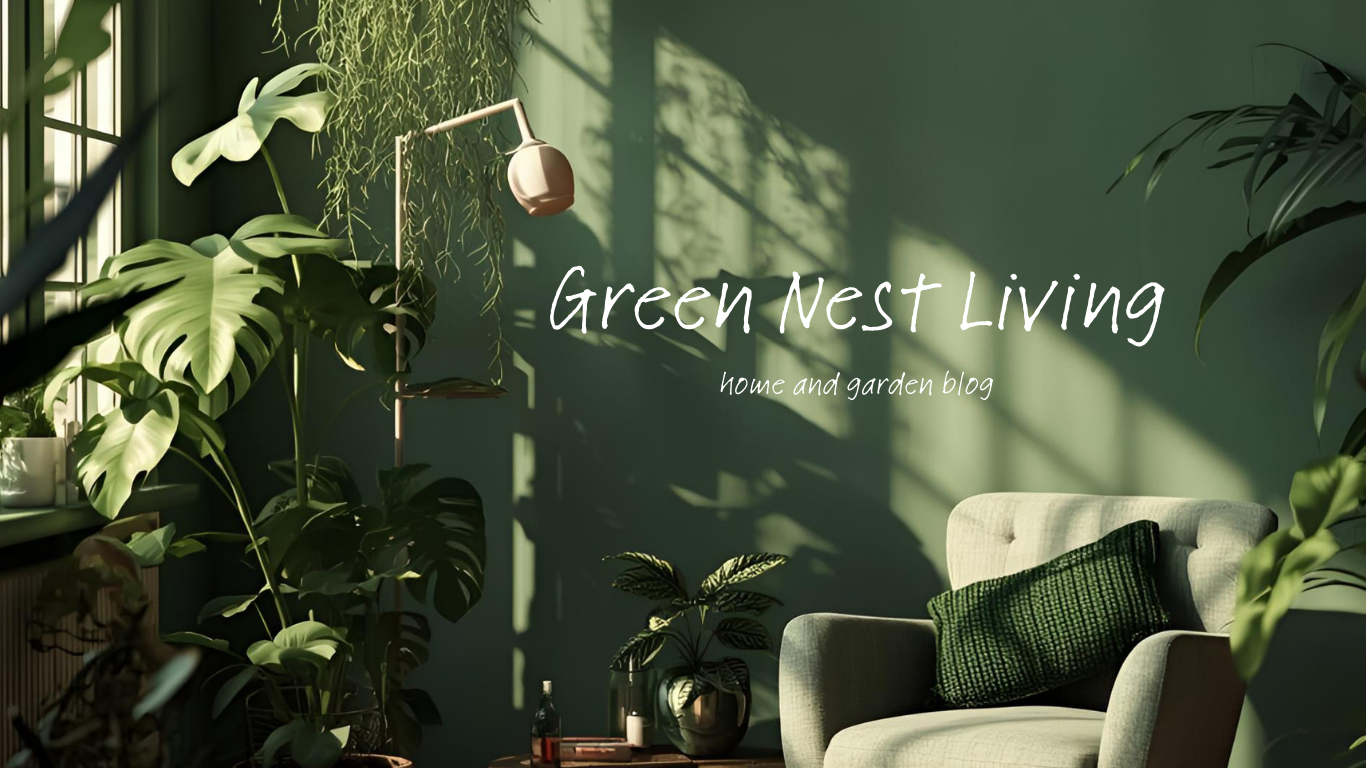
One of the biggest influences on sustainable décor continues to be biophilic design. This is the concept of integrating nature directly into living spaces. This isn’t just about adding a houseplant or two, it’s about creating an environment that feels alive. Think trailing greenery, natural light, earthy textures and organic shapes that mimic what we see outdoors.
Small touches can transform a room more than you’d expect. Recycled-glass planters and terrariums have become incredibly popular because they’re both decorative and planet-friendly. As are macrame plant holders and larger plant stands. The great thing about this trend is that you can’t overdo it. The more plants, the better!!

A Return to Natural Fibres and Organic Textures
More people are moving away from synthetic fabrics and turning back toward materials that feel warm, tactile and timeless. Linen, jute, hemp, organic cotton are all fibres that instantly add character to a space, even when used sparingly.
A simple jute rug can anchor a room with its earthy, handmade feel, while woven coasters, cushion covers or throws introduce effortless layers of texture. Wicker baskets not only give a rustic feel but are also very handy for storage and linen curtains will provide a light, airy atmosphere in any room.

The Rise of Recycled and Upcycled Materials
Perhaps the most exciting shift in sustainable décor is the growing appreciation for items made from reclaimed or repurposed materials. These pieces carry a sense of history and individuality that new, mass-produced décor rarely captures.
Reclaimed wood shelves, candle holders made from salvaged timber, and recycled-glass bowls or vases bring uniqueness and warmth to interiors. They’re practical, beautiful, and environmentally thoughtful.

Crafted Minimalism
Minimalism is evolving. It’s no longer about stark, ultra-clean lines but about intentional choices that highlight quality and craft. Homes are becoming curated rather than cluttered, filled with pieces that feel personal, not generic.
Hand-thrown pottery, botanical prints, wooden trays and natural-wax candles fit perfectly into this new wave of minimalist design. These pieces add warmth while still keeping the overall look calm and uncluttered.

Soft, Sustainable Lighting and Finishing Touches
Eco-friendly lighting and accessories are also taking centre stage. Natural soy or beeswax candles offer a cleaner, more sustainable alternative to traditional paraffin, and their soft glow instantly enhances a relaxing environment.
Even simple accents, for example, a hand-dyed cushion, an interesting vase, or a dried-flower bouquet, can bring layers of beauty to a room without compromising on sustainability.

Creating a Home That Feels Good and Does Good
Sustainable décor in 2026 is all about thoughtful materials, handcrafted quality and a deeper connection to nature. Whether you’re refreshing a single corner of your home or rethinking your entire aesthetic, embracing eco-friendly décor doesn’t mean sacrificing style; quite the opposite. It encourages you to slow down, choose intentionally and fill your space with pieces that support makers, celebrate craftsmanship and leave a lighter footprint on the planet.
*This post contains affiliate links which means I will earn a small commission if you purchase via them. This will not affect your shopping experience or how much you will pay. For more information please refer to my disclosure page.
Related Posts
10 Budget-Friendly DIY Jobs to Refresh Your Home Without Breaking the Bank
Have you recently moved into a new home or feel as though your current one needs a little TLC but Read more
8 Beautiful and Useful Kitchen Finds You Can Buy on Etsy

*Affiliate Links Creating a kitchen that feels calm, practical and thoughtfully put together doesn’t require a full renovation. Often, it’s Read more
5 Reasons To Buy Secondhand Furniture Over New
Making a house a home can be a wonderful and fun process. From inspiration pics to Pinterest boards, family conversations, Read more
Why You Should Be Using Green Cleaning Products in Your Home

As somebody who loves to have a clean house, I have experience with almost all the products that are available Read more