
How To Encourage More Wildlife Into Your Garden
When we moved into our fairly new build home, the (small) garden was, well, not doing very much. It had a sad looking lawn, brick walls, no flowers, no features and a few plants to add that bit of greenery, which of course meant very little wildlife was visiting. Fast forward 14 years, and we now have an outdoor space that attracts a variety of birds, butterflies, all types of bees, frogs, hedgehogs, dragonflies, damselflies, and lots of other insects, so I thought I would share with you how you can encourage more wildlife into YOUR garden, no matter the size or location.
Plant For Pollinators
One of the key things you can do in any garden is plant for our pollinators. These teeny species are all incredibly important for all of us and any helping hand can help make a difference. Flowers/plants such as lavender, verbena, buddleia, aliums, honeysuckle, roses, wisteria, heather, primrose and wildflower mixes will all attract a wide range of bees and butterflies. And don’t think you need a large space in which to grow some of these, pots, planters, window boxes and small beds are all perfect options for adding this colour and interest.

Trees and/or Shrubs
If you do have the space, adding trees and shrubs will not only help to make more of your garden but they will also provide homes, shelter, food and bedding materials for all types of wildlife. If you don’t want to go for a tree that will take over, look at smaller varieties such as a Japanese Maple, Elderberry, Cercis (forest pansy), Japanese dogwood, flamingo, dwarf fruit trees, small magonlia varieties and small palms.
Stay Away From The Plastic!!
Plastic grass (I hate the term artificial) has become a popular choice for many homeowners in recent years but research has shown that it not only sheds microplastics into the soil and waterways but it also leads to little or no insects living in the soil beneath it which then means the birds have no food. If a grass lawn isn’t for you, why not look into other options such as a clover, wildflowers, moss, hardier grass types if you struggle with what you have or even a mixture of gravel, paving slabs and alpines planted amongst them? I have a full blog on this over on my other website emmareed.net.
The same goes for plastic plants. Yes they may add some interest all year round but they aren’t benefitting the environment in any way at all. There are lots of evergreen options so do ask for advice in your local garden centre or head to helpful websites such as Gardeners’ World for tips and ideas on what to add to your type of garden.
Add Water
Having a small garden, I never thought I’d have the space for a pond but I now actually have two! We have a small wildlife pond made out of a planter that we sunk into the ground and we also have a large concrete planter as a pond on the patio area. They are very different from eachother but both attract wildlife. The small wildlife pond provides a bath and drink for smaller birds, it has become an on and off home for frogs in the summer (no frogspawn as of yet but it is very small), it is a place for bees and wasps to cool off, it provides food for lots of bugs and insects and our local hedgehogs are often drawn to it at night for a tasty slug snack and a drink. The other planter is the one that the dragonflies and damselflies like to come to, as well as the larger birds who perch on the rocks I added. This gives them a full view of the garden as they drink or bathe (always keeping an eye on where the cat is!) and it feels safer because they aren’t on the ground. I think out of all of our changes, adding water had the biggest impact, especially with our hotter summers. By providing something this vital, you should start to see so much more wildlife in your outdoor space.

Accessibility
One thing that is often overlooked, even more so in newer build homes, is accessibility for wildlife. Older houses tend to have bushes or trees on boundaries but fences are cheap and easy to install for new builds and as lovely as they look, they do prevent movement for animals such as hedgehogs, between gardens. Hedgehogs can wander for up to 2 miles each night to find food, water and a mate, but with fences to the ground, gates and walls in their way, things are getting much trickier for them. Hedgehog numbers are in decline so the addition of a hedgehog door in a fence, gaps being created under gates or fences or even replacing fences with bushes will all make a huge difference to their welfare.
Other things to consider are ramps over areas that may be difficult for wildlife to cross, ramps/rocks/bricks placed in ponds to prevent drowning and food being placed where it can be safely accessed (birds high up, hedgehogs away from cats/roads/too much light).
Bughouses
Bugs may not be everyone’s favourite creature but they are an important part of any ecosystem and the more you can attract, the better your garden could become. Try adding bughouses around your outdoor space – even if you only have a balcony, a bughouse can be easily attached to a wall or popped in a corner. If you don’t have the budget to purchase a readymade one, you can simply DIY one out of bricks, wood, sticks, leaves, hay, cones etc. Just make sure it is layered and there are gaps for them to squeeze inside.
Create Wild Areas
Leaving an area of your garden wild is a fantastic way of drawing many animals and insects in. Long grass, wildflowers, piles of logs, a wild wildlife pond, allowing leaves to sit etc. are all easy yet effective methods of making your garden wildlife friendly.

Bird Boxes
If you have a tree or sheltered area (such as side of a shed or the house) that doesn’t get full sun, then adding a bird box is a great way of encouraging some more species into your garden. There are different styles to suit different birds so be sure to do your research and choose a safe and well constructed box.
Feed The Birds
In order to encourage those birds in and get them nesting, start leaving out a good mix of seeds, fatballs and mealworms especially during the mating and brooding seasons. They need a lot of sustenance during this time and they will always come back to where they know they can benefit. House, food and water, what more could a bird want?!
I think all garden/green spaces can easily be adapted to help our native wildlife all it takes is a little time, research, understanding and the right combination of my tips above.
Pin for later:

Related Posts
How to Create a Classic Cottage Garden
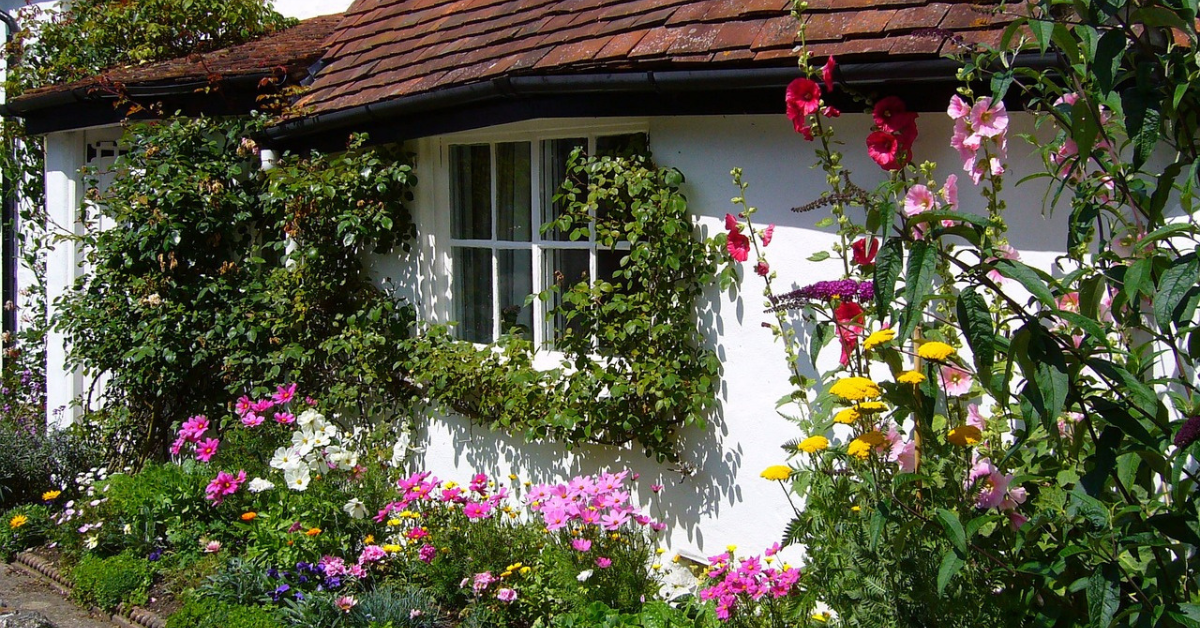
There is just something so timeless about a cottage garden. It feels romantic and full of life, like stepping into Read more
Easy Home Makeover Tips: Small Changes With a Big Impact

Refreshing your home doesn’t have to mean a major renovation or a big budget. With a little planning and eco-friendly Read more
5 Ways You Can Instantly Make Your Home Feel Cosier

One of the most important aspects of a home for me is that it feels cosy. Your house is where Read more
7 Houseplants That Naturally Purify The Air
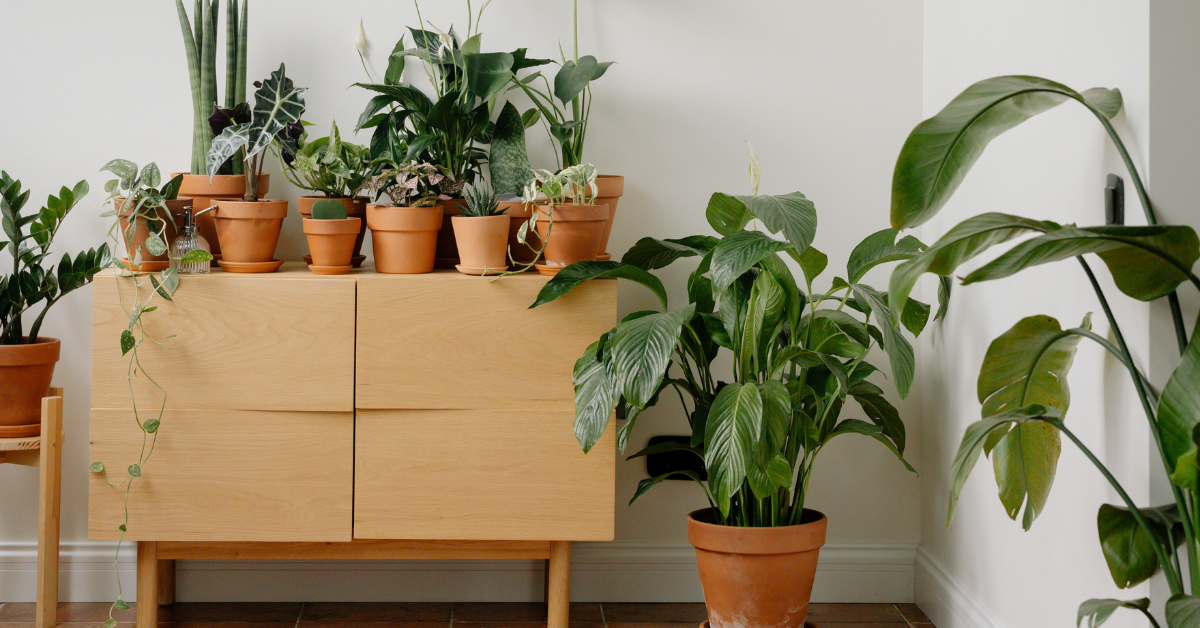
We all love that feeling of stepping into a space that smells clean and fresh, but there is a far Read more